Use case: Sahlgrenska Global Health Hackathon
Use case of a health-related hackathon.
Published on the 28th of November 2025. 4 min read.

The Sahlgrenska Global Health Hackathon
The Sahlgrenska Global Health Hackathon was a series of local hackathons aimed at tackling global healthcare issues, bringing together innovators, researchers, clinicians, entrepreneurs, and problem-solvers worldwide to tackle five specific health challenges:
Challenge 1 - Health equality: bridging gender and ethnicity gaps in access to care
Challenge 3 - Forever vital: innovating solutions for healthy aging
Challenge 4 - Infection prevention and control: tackling AMR and healthcare-associated infections
The hackathon was organized by Sahlgrenska Science Park and relied on the support of important partners:


Key numbers
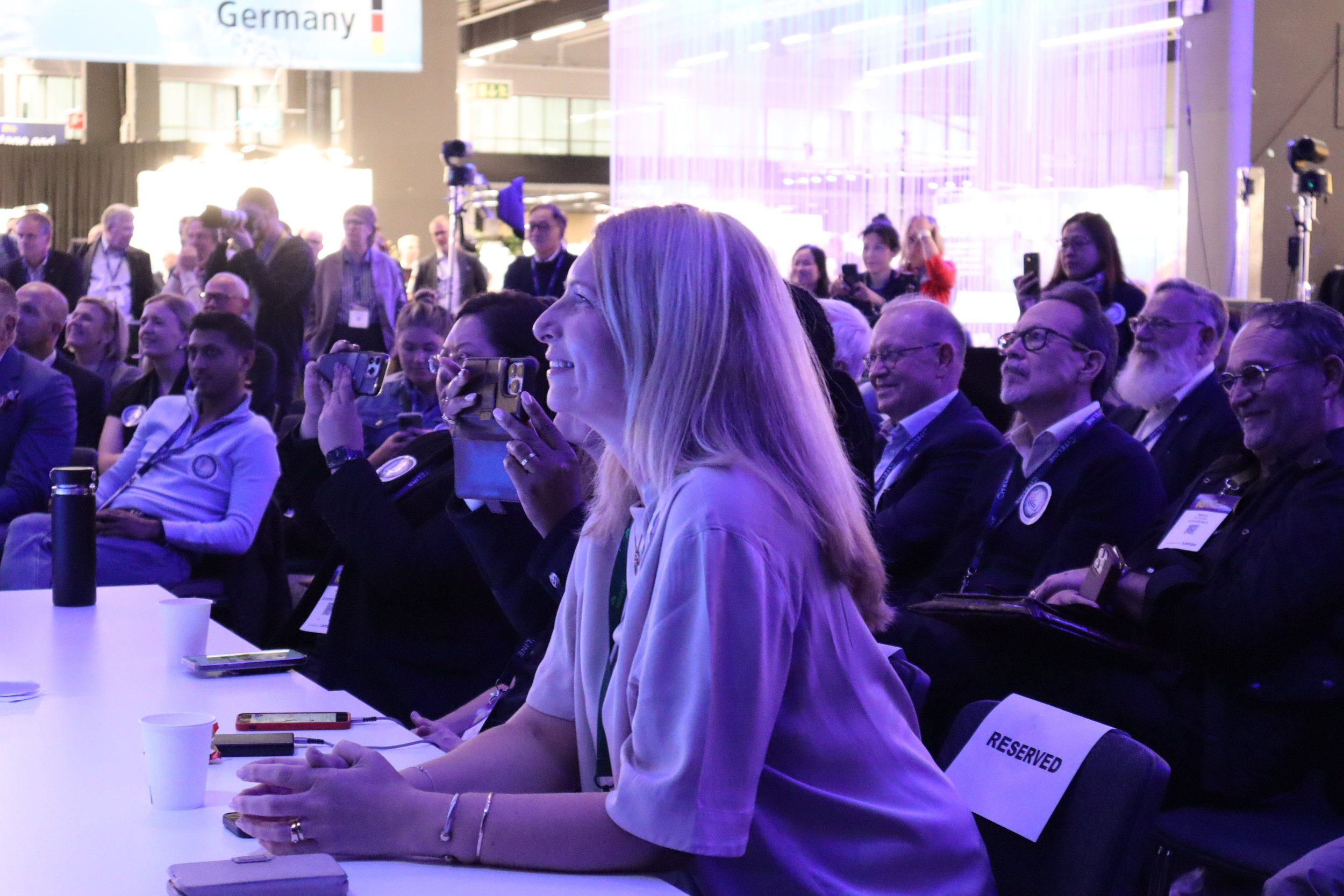
~1000 participants
118 teams
8 local hackathons
6 countries
Local hackathons and countries
The hackathons were held in 6 different countries for a total of 8 local hackathons, and culminated on 13 October 2025 with the announcement of the winners at the Grand Finale!
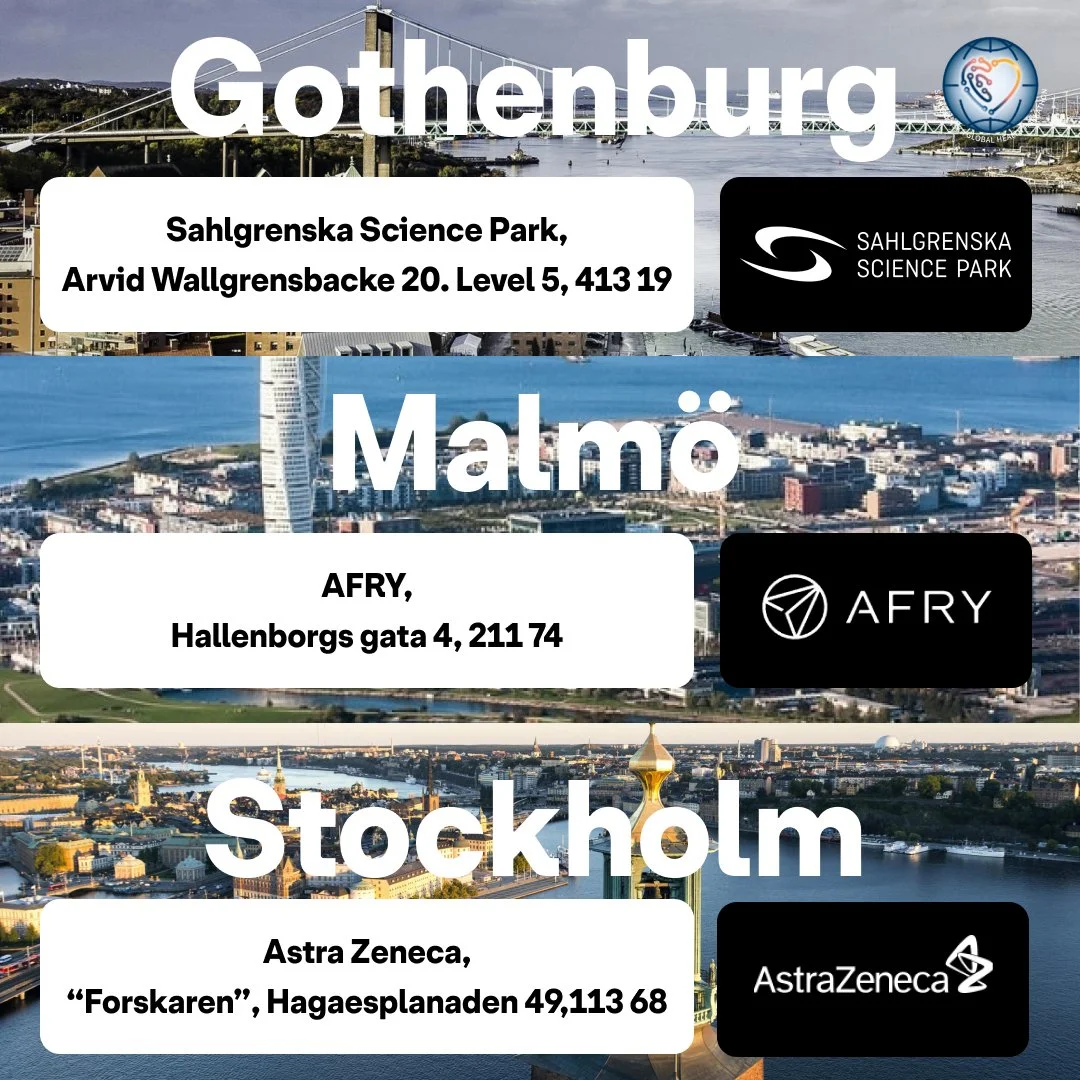
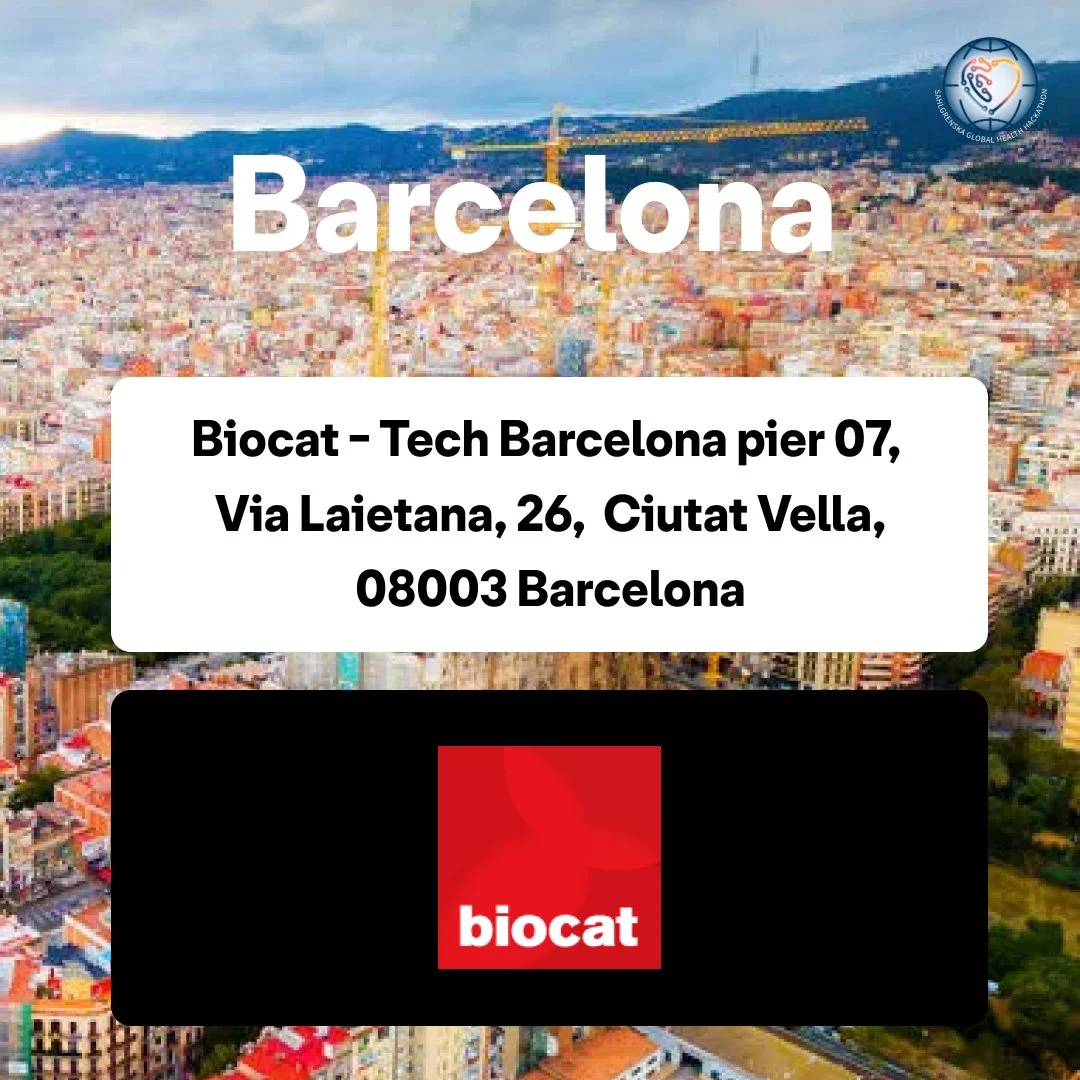
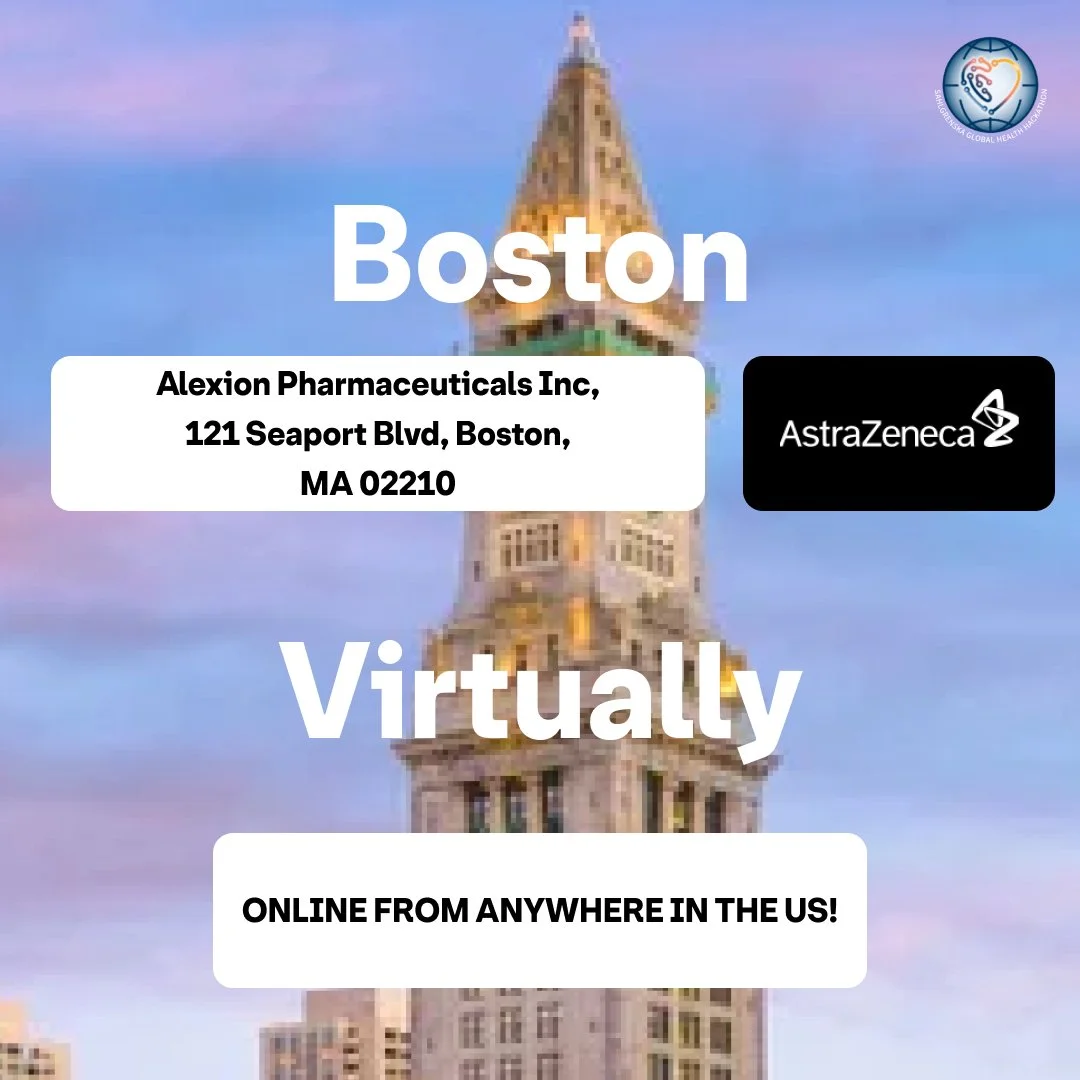

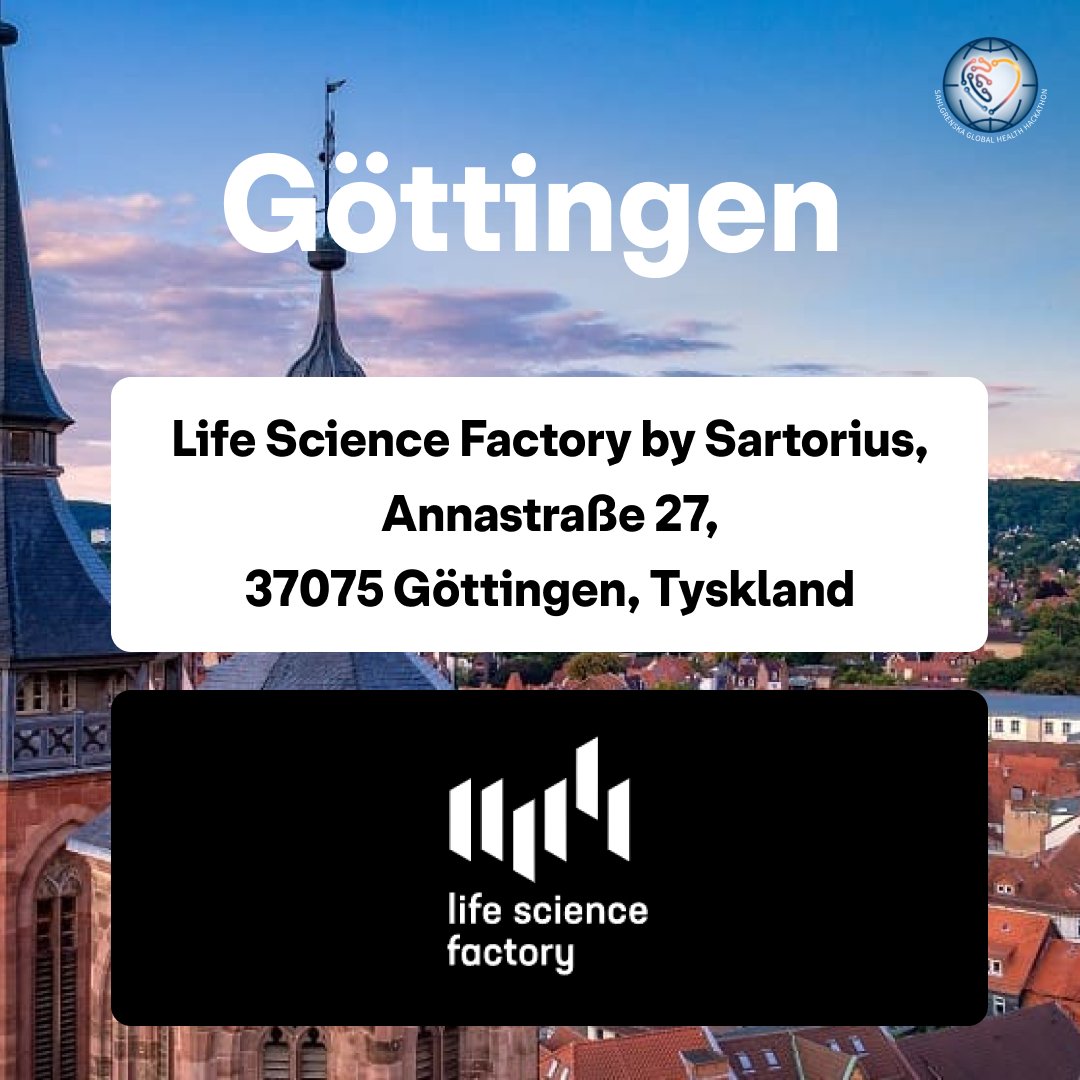
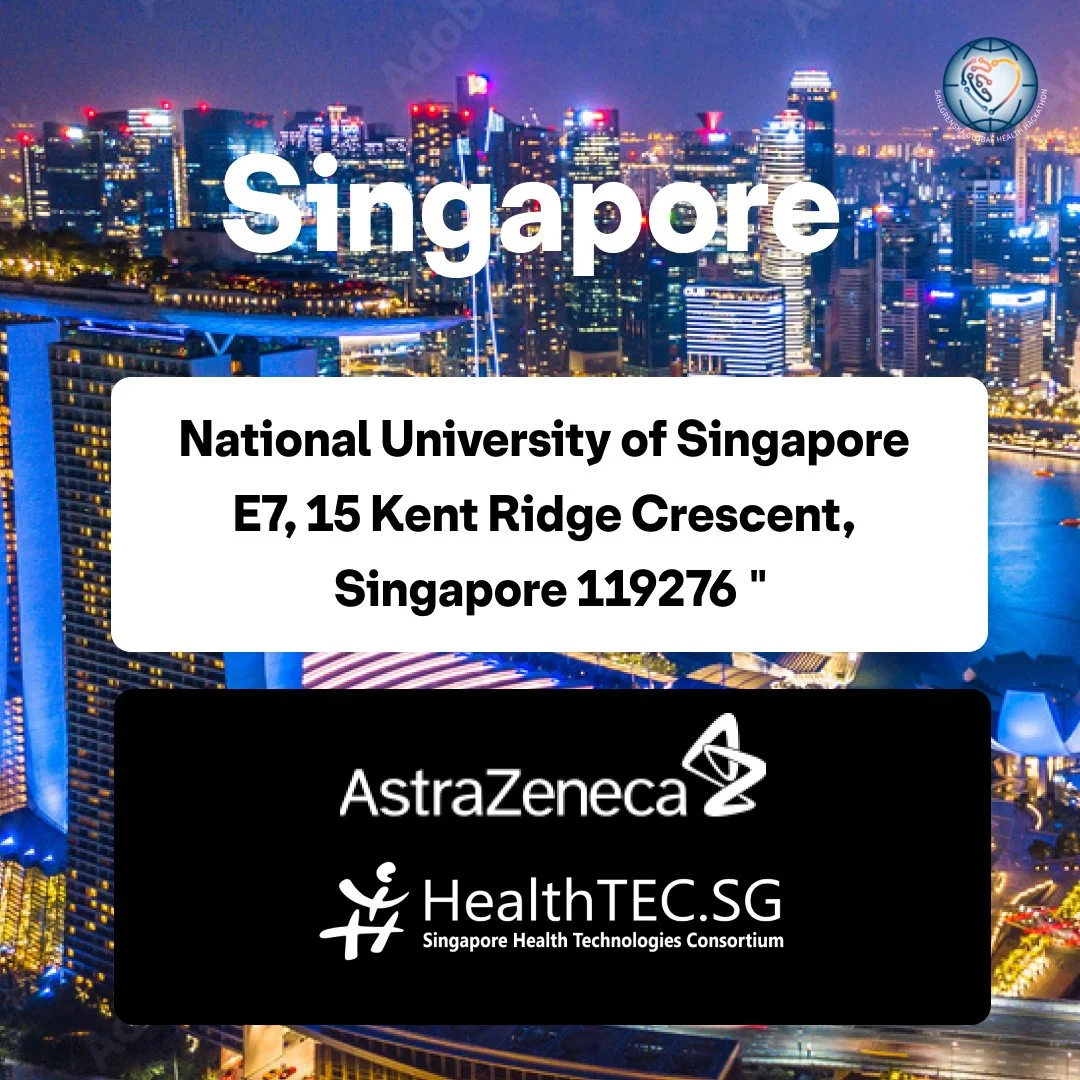
During the weekend hackathons, participants submitted 4 deliverables that demonstrated their Proof of Concept.
In each city where the hackathons take place, only one finalist team was selected.
Finalists
Out of 118 teams, only the following made it to the Grand Finale!
Here are the top teams:
Team: AMReady
Idea: Bioshield Pro
Bioshield Pro (BPro) prevents hospital sink biofilms using a patented low-voltage antimicrobial design that blocks 85% of biofilm formation. It integrates metagenomic monitoring and AI analytics to predict outbreaks, generate AMR risk scores, and guide targeted infection-control interventions.
Team: SensEye
Idea: SensEye
SensEye is an AI-powered platform that enables at-home, smartphone-based eye screening. Using diverse CNN training and multilingual support, it detects conditions like glaucoma and cataracts early, reducing healthcare disparities and empowering underserved communities through accessible, inclusive vision care.
Team: Future Care
Idea: MediFlow
Mediflow is an AI-driven healthcare platform that optimizes medication logistics across pharmacies, hospitals, and distributors. By integrating prescription, stock, and dispensing systems, it enhances safety, efficiency, and sustainability while reducing handling time and supporting data-informed clinical and operational decisions.
Team: eNose Diagnostic

Idea: eNose Diagnostic
eNose VOC Diagnostics uses gas-sensing technology and AI to detect volatile organic compounds from human samples for early, non-invasive disease screening. Initially targeting colorectal cancer, it also identifies antimicrobial-resistant bacteria, enabling scalable, rapid diagnostics to enhance prevention and treatment strategies.
Team: Biocare
Idea: PediAItrics
PediAItrics is an AI-driven platform unifying pediatric oncology data to create synthetic control groups, identify therapeutic gaps, and predict treatment responses. It accelerates clinical trials, lowers costs, supports drug repurposing, and improves access to effective therapies for children.
Team: DIA-AID
Idea: DIA-AID DIAgnostics of Antibiotic resistant Infections AIded by Artificial Intelligence Deep learning
DIA-AID uses AI-driven multi-omics analysis of small blood samples to rapidly detect infectious diseases, identify pathogens, and assess immune responses. It enables early, precise treatment, reduces antibiotic misuse, and supports scalable, cost-effective infection control and public health interventions.
Team: Yukis
Idea: Yukis
Yukis is a digital platform supporting informal caregivers with personalized emotional, educational, and peer resources. Through AI companions, community forums, and expert webinars, it reduces caregiver burden, promotes wellbeing, and empowers caregivers with skills and guidance for healthy aging.
Team: Luckie Tech
Idea: Luckie Tech - Reducing the mortality rate of children and adults undergoing cancer treatment
LuckieTech combines real-time vital-sign monitoring with internationalized medical records via discreet wearables and apps. By enabling early detection of complications in childhood cancer, it empowers families and healthcare providers, reduces ICU admissions, and enhances cross-border care coordination.
The Grand Finale
The finalist teams pitched their ideas at the Grand Finale in Gothenburg, held on 13 October 2025!
During this session, the Jury Members engaged with the teams through questions, providing a dynamic and interactive evaluation process.
The responses and presentations in this round were crucial, as they contributed additional points, ultimately determining the winning team!
🏆 …and the winner is…
The jury selected eNose Diagnostic for its groundbreaking approach to early, non-invasive disease detection.
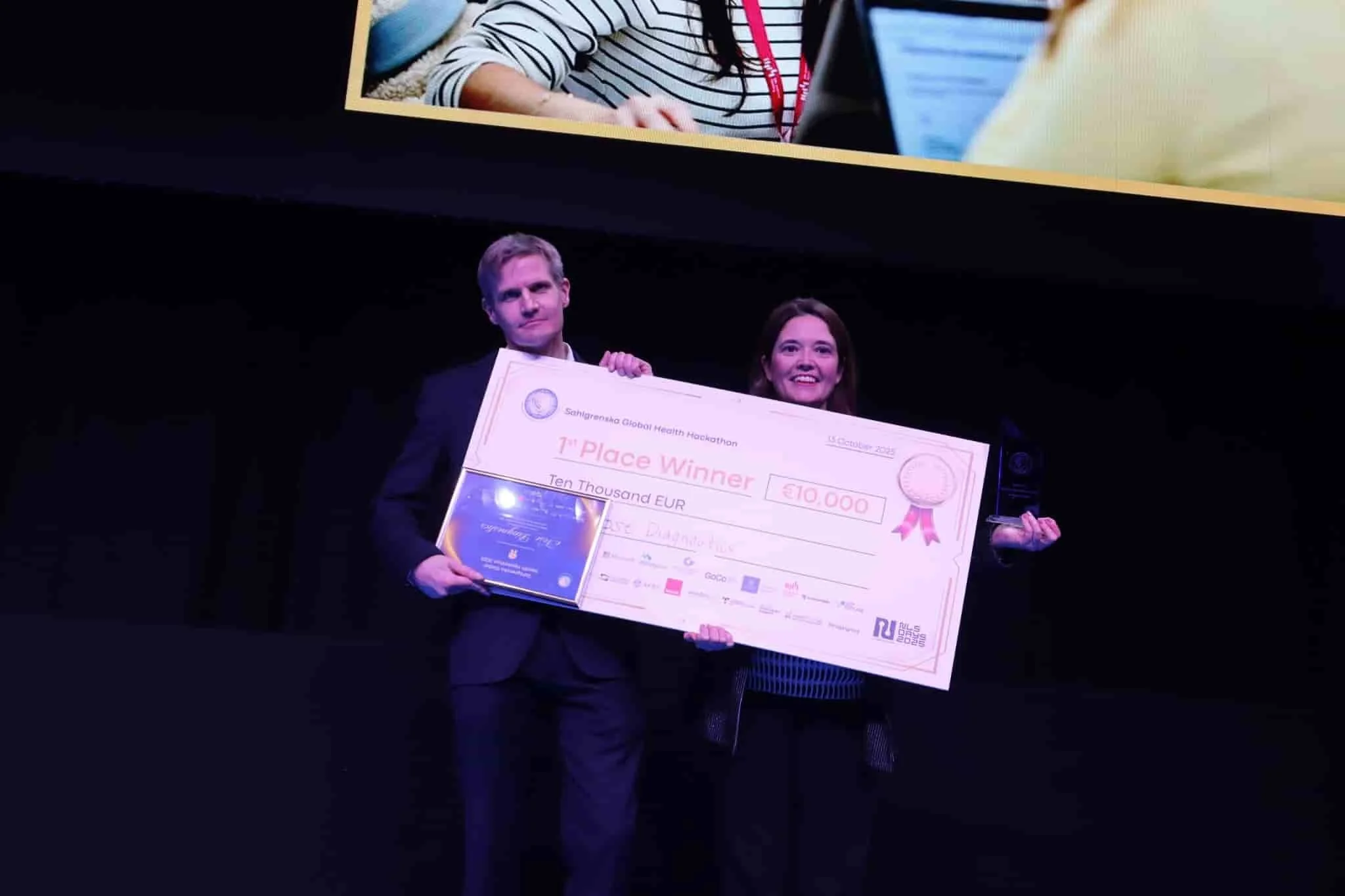
eNose Diagnostic utilizes an electronic nose, combined with machine learning, to detect cancer by identifying the unique chemical signatures released in blood samples.
By analysing these volatile biomarkers, the system enables early, non-invasive screening that can accelerate diagnosis, reduce the need for invasive procedures, and support more timely treatment decisions.
KUDOS TO THE TEAM!
Conclusion
The Sahlgrenska Global Health Hackathon showed how powerful a well-designed innovation process can be when it brings together diverse minds, clear challenges, and meaningful purpose.
With 8 local hackathons, 1000 participants, and ideas spanning early diagnostics, healthy aging, infection control, and more, this initiative demonstrated what’s possible when global collaboration meets real health needs.
eNose Diagnostic’s victory is a perfect example: a simple but groundbreaking concept developed into a promising solution with real potential to transform early diagnosis!
If you’re planning a health innovation event or want to design a hackathon that creates impact like this one, we can help you shape the right structure, challenges, and participant journey.
Feel free to get in touch if you need expert support for your next hackathon.